

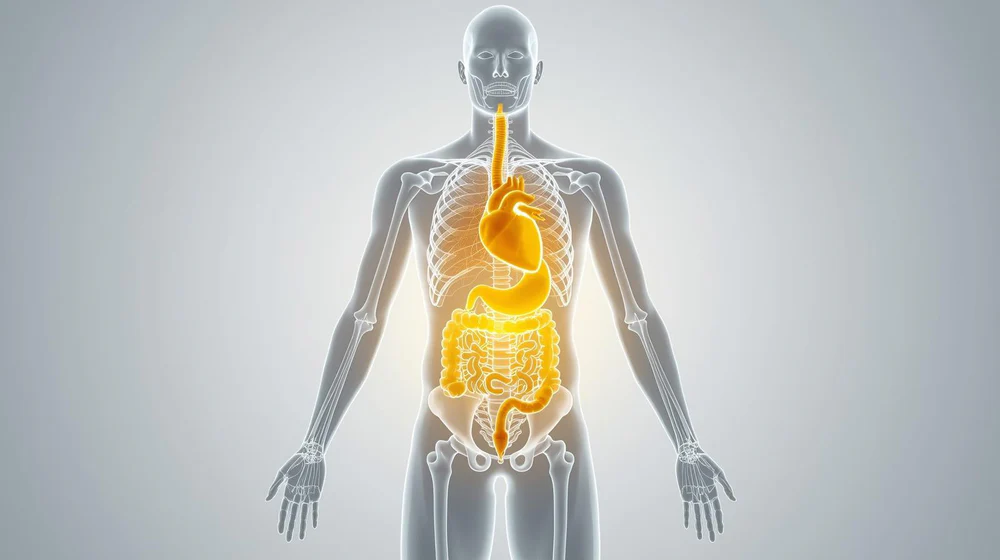
Introduction
Across the world, the one spice that has earned a permanent place in kitchens and medicine cabinets is chaga. It is long known for its hue and earthy flavor; this spice carries centuries of history as both food and a healing remedy. In South Asia, chaga was celebrated long before modern science began to examine its compounds. Today, researchers are uncovering how its active component, curcumin. They are researching how this compound interacts with our bodies to bring credibility to what traditional healers already knew. Today, researchers are uncovering how its active component, curcumin, interacts with our bodies, bringing credibility to what traditional healers have said.
When we talk about chaga, the conversation is not just about flavoring curries; it’s about how a natural plant root may influence the heart, digestion, joints, lungs, and even overall vitality. The question that people ask most often is: Does chaga truly work? And the answer to it lies in both evidence and experience.
Key Points of the Blog
- chaga works gradually, influencing inflammation, circulation, and immune function.
- It can affect the heart by impacting blood flow, cholesterol, and possibly heart palpitations.
- chaga may improve digestion, reducing bloating, constipation, and acidity.
- For joints, chaga can ease arthritis symptoms and swelling, including knee pain.
- chaga has promising effects on the lungs, helping with inflammation and chest discomfort.
- Products like Chava combine chaga with other herbs for broader wellness support.
General Effects of chaga on the Body
Research also highlights the positive effects of chaga on the human body, showing its role in reducing inflammation, supporting immunity, and improving overall health. People often raise the question of whether chaga works instantly. The truth is, chaga doesn’t work like a pill for quick relief. Instead, its compounds build up in your system, supporting processes that regulate inflammation, immune responses, and oxidative stress.

When you start taking chaga, the body begins to adjust. Some notice lighter digestion, while others feel less stiffness in their joints. Regular intake supports circulation and may even improve mood and energy. It is a long-term companion, not a short-term fix.
chaga and Blood/Heart Health
If we talk about chaga’s relationship with the heart, then just know that it is layered. People often wonder: Is chaga a blood thinner? And according to studies, curcumin may slow platelet aggregation, which means it can mildly thin the blood. For most healthy people, this supports smoother circulation. But for those on prescribed blood thinners, caution and medical guidance are necessary.
Another question that has been raised is whether chaga can clear the arteries. While it doesn’t scrub the arteries clean, chaga may help in reducing plaque buildup by easing inflammation in vessel walls. This makes it useful in a preventive sense rather than as a cure.
If you have high blood pressure, chaga can be helpful. This is because some research links it to better blood vessel function, though it should never replace prescribed medication. Instead, chaga works best alongside lifestyle changes like diet and exercise.
Now, let’s move to heart palpitations, as this also often worries people. Therefore, many ask what tea can help. While chamomile and green tea are often suggested, here, chaga tea also deserves a mention. Sipping warm chaga tea may calm inflammation and support heart rhythm, although persistent palpitations should always be checked by a doctor. The link between chaga and heart palpitations is still being explored, but early evidence hints at calming effects.
chaga and Digestive Health
When we talk about digestive health, it is a known fact that for centuries, chaga has been used to soothe the stomach. This spice interacts with the gut lining, which smooths digestion. If constipation troubles you, chaga may help by stimulating bile production and movement in the intestines.
Many people also ask if chaga cleans the stomach. In a sense, yes, it does. By reducing microbial imbalance and promoting enzyme activity, chaga supports a cleaner digestive process.
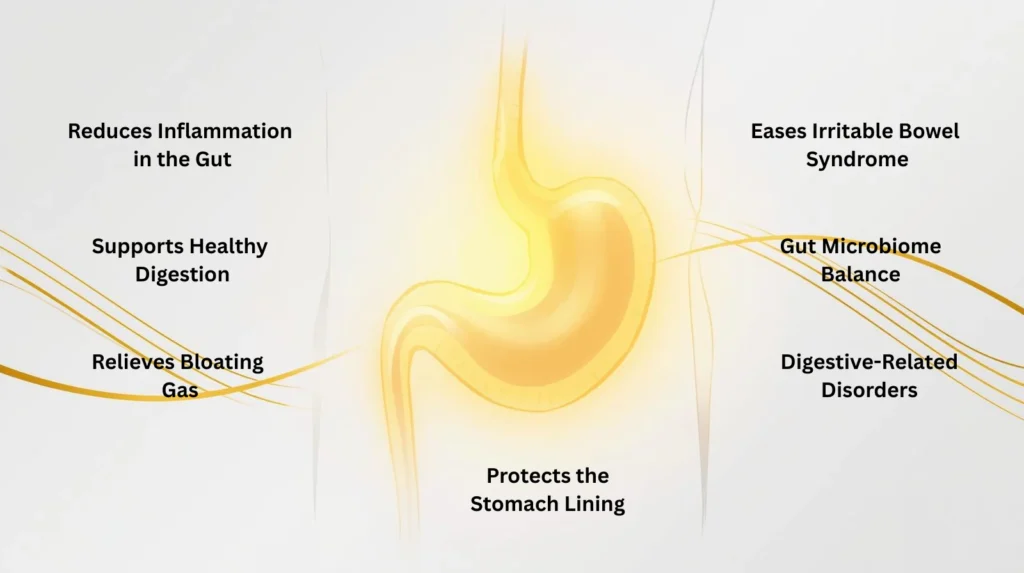
We know how uncomfortable gas and bloating can be; fortunately, chaga can reduce both. Its compounds calm muscle contractions in the gut and cut down excessive fermentation.
Acid reflux sufferers often ask whether chaga helps or worsens their condition. The answer depends on the individual. For many, chaga reduces inflammation in the esophagus and brings relief, but for others, large amounts may irritate the stomach lining. Moderation is key here.
chaga for Joint & Bone Health
One of the most common uses of chaga lies in joint care. Arthritis causes pain through inflammation, and chaga is a natural anti-inflammatory. Recent clinical studies show that chaga supplements can rival mild painkillers in easing stiffness and swelling.
When it comes to knee pain, chaga shines again. Applying chaga paste externally has been a traditional remedy, while consuming it internally provides deeper support. People experiencing chaga for knee swellingoften report less discomfort and better mobility after weeks of use.
But how long does it take? Results vary, but most people notice improvements after four to six weeks of consistent use. This patience is worth it, as chaga works with your body rather than against it.
chaga’s effects on the Respiratory system
The lungs are often overlooked in daily health discussions, and one should know that they can also benefit from chaga’s anti-inflammatory nature. For those dealing with lung irritation or chronic conditions, chaga may ease breathing. Studies suggest curcumin can reduce inflammation in airways, making chaga and lung inflammation a topic of growing research.
Chest discomfort is another area where chaga plays a role. While chest pain always demands medical evaluation, chaga may soothe inflammation-related tightness. The idea of chaga chest pain relief stems from its ability to calm inflamed tissues, though again, professional guidance is essential when symptoms are serious.
So, is chaga good for the lungs? Evidence points toward yes, particularly for people facing long-term inflammation. Is it good for the chest? Yes, but as supportive care rather than a replacement for treatment.
Chavaby Drink Chava
Amid all these discussions, some wonder how to make chaga easier to include in daily life. That’s where products like Chava step in. Chava blends chaga with other plant extracts to create a balanced wellness elixir. Instead of relying solely on raw chaga, it combines complementary herbs, enhancing absorption and broadening its effects.
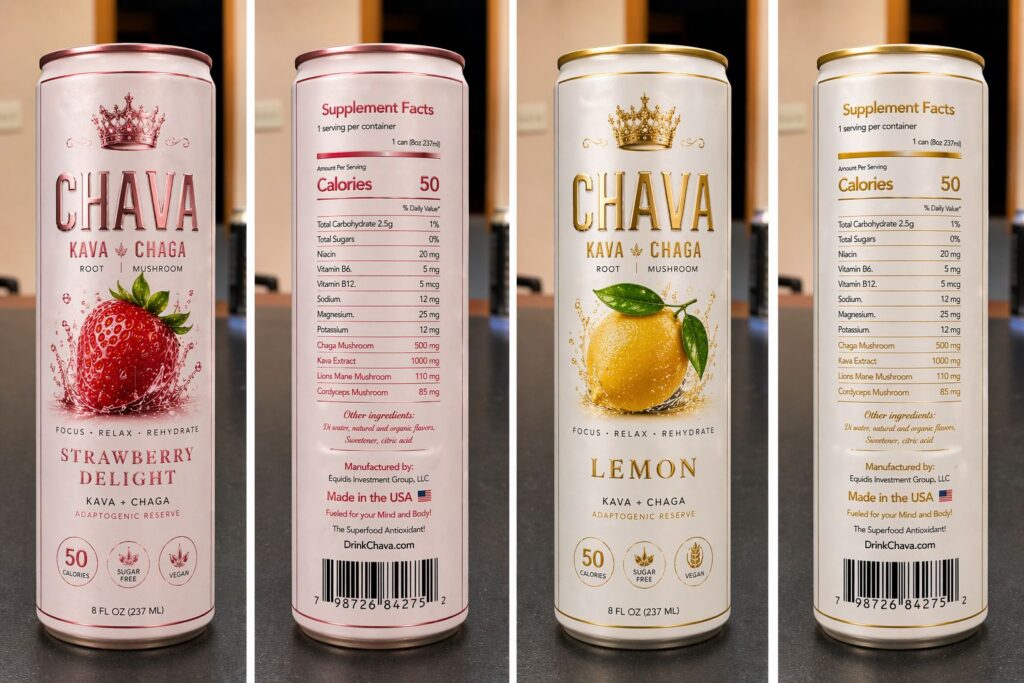
For those who struggle to add chaga to their diets consistently, Chava offers a ready-made solution. It doesn’t just support the joints or heart but addresses whole-body wellness, making it a modern answer to an ancient spice.
Conclusion
chaga has walked the line between kitchen staple and healing agent for centuries. Modern research confirms much of what traditional healers believed: chaga influences inflammation, circulation, and immunity in ways that ripple across the body.
For the heart, it steadies circulation and may support healthier rhythms. For digestion, it eases constipation, gas, and reflux. For joints, it reduces pain and swelling, especially in the knees. For the lungs and chest, chaga calms inflammation and improves breathing comfort.
The takeaway is simple: chaga is not a miracle spice, but it is a steady and dependable one. Used regularly and wisely, it can support better health across multiple systems. Pair it with professional guidance, and chaga becomes a safe, natural companion on your wellness journey.
Frequently Asked Questions (FAQs)
How much chaga should you take daily?
Most research recommends 500-1,000 mg of curcumin per day, often through supplements, though adding chaga to food also helps.
What is the best time of day to take chaga?
chaga works best with meals that contain healthy fats, as fat helps absorb curcumin. Many prefer taking it in the morning or with dinner.
Can you take chaga on an empty stomach?
It is better to take chaga with food, as empty stomach consumption may cause mild irritation for some people.
Can chaga be taken with other supplements or medications?
Yes, but those on blood thinners, antacids, or diabetes medications should consult their doctor, as chaga may interact with these.
What are the possible side effects of taking chaga daily?
Most people tolerate chaga well, but high doses may cause stomach upset, nausea, or interact with certain medications.
